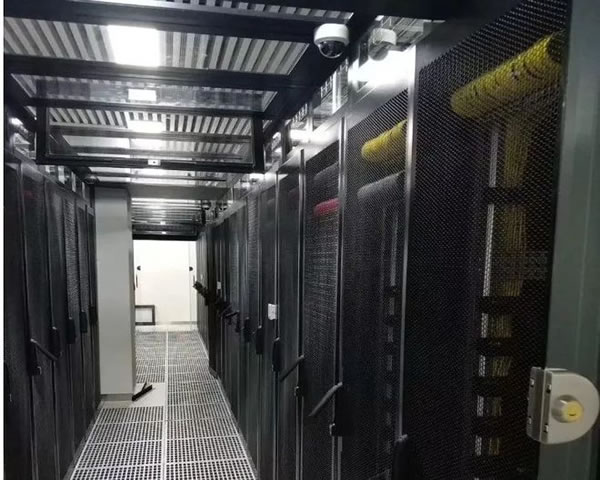
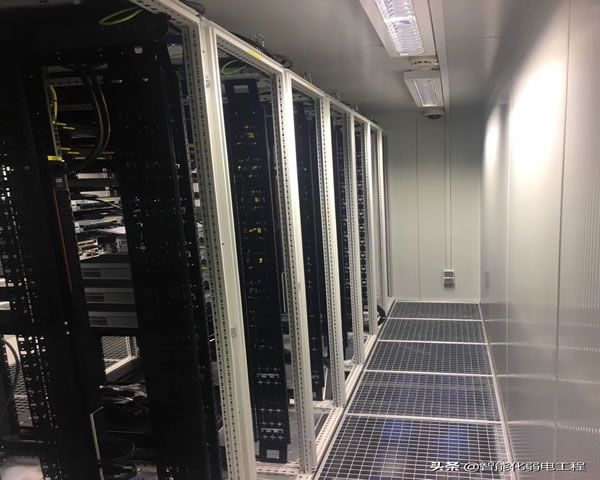
introduction: in the context of globalization, the back-to-origin performance of overseas sites directly affects user experience and business stability. this article starts with "assessment of overseas site back-to-origin acceleration program and looking at cambodian cn2 back-to-home servers from an architectural perspective", focusing on the feasibility, performance and risks at the architectural design level, aiming to provide decision-making reference and implementation points for the engineering team.
architectural goals and key performance indicators
when evaluating cambodia's cn2 return server, you should first clarify the architectural goals: reduce return-to-origin latency, improve packet loss tolerance, and ensure bandwidth and concurrency capabilities. key performance indicators include rtt, packet loss rate, bandwidth utilization and sla stability. in addition, the architecture needs to support elastic expansion, grayscale publishing and monitoring alarms to maintain predictable service quality under burst traffic.
network topology characteristics of cambodian cn2 return server
from a topological perspective, cambodia's cn2 return path usually relies on backbone links and peer node distribution in the direction of china. when evaluating, attention should be paid to the transit as, the number of link hops, and the aggregation capabilities of the domestic uplink port. for overseas sites, choosing a back-to-origin node with better geographical and network latency can reduce cross-border transmission jitter. however, routing strategies and bgp optimization are required to avoid back-to-origin fluctuations caused by path instability.
architectural comparison of back-to-source acceleration solutions
common return-to-origin acceleration solutions include cdn nearby return-to-origin, intelligent return-to-origin scheduling, dedicated lines/acceleration channels, and transit cache servers. architecture evaluation should be compared from four dimensions: latency, availability, deployment complexity, and operation and maintenance costs. cambodia's cn2 return server may have advantages in terms of latency and stability, but it needs to be combined with global node distribution and traffic patterns to determine whether it is complementary to the existing cdn or intelligent routing strategy.
security and compliance considerations
security and compliance elements must be incorporated into the architecture design, including cross-border data transmission compliance, ddos protection, tls terminal deployment, and logging and auditing strategies. as a data transfer point, the return-to-origin node should limit the opening of only necessary ports and protocols, and use whitelists or two-way authentication to ensure that it does not introduce additional security risks or illegal transmission behaviors during acceleration.
deployment recommendations and fault-tolerant design
for the actual deployment of cambodia's cn2 return server, it is recommended to adopt a high-availability mode of multi-node, multi-line and active-passive switching. combining health checks, traffic rollback policies and local caching mechanisms, service continuity can be maintained when links are abnormal. at the same time, preset capacity and automatic expansion and contraction strategies can reduce the impact of burst traffic on return-to-source links and ensure a smooth user experience.
summary and implementation suggestions
summary: the evaluation of "overseas site return-to-origin acceleration program evaluation and cambodia cn2 return server from an architectural perspective" shows that this program has potential advantages under specific geographical and network conditions, but it needs to be coordinated with routing optimization, cdn strategies and security compliance measures. it is recommended to conduct small-scale grayscale testing first, monitor key indicators in detail, and gradually increase the volume to verify link stability and formulate a fault recovery plan.